

About 50 km from São Paulo’s capital, high in the Serra do Mar mountains, Paranapiacaba is a district of Santo André that looks like it stepped out of a European film set. Built by the British-owned São Paulo Railway company in the 19th century to house workers for the Santos–Jundiaí railway, the village still preserves wooden houses painted “goya red,” cobblestone streets, and the famous fog that rolls in over the streets in the late afternoon. It’s Brazil’s largest open-air railway museum and has been on Brazil’s tentative list for UNESCO World Heritage status since 2008.
This guide covers the village’s main tourist attractions, its traditional festivals, and tips for planning your visit.
A bit of history
The name Paranapiacaba comes from the Tupi language and means “from where the sea can be seen.” The village was born in the mid-19th century as a camp for São Paulo Railway workers, the British company that built the railway connecting inland São Paulo to the port of Santos, enabling the export of coffee production. Its urban layout, with houses arranged to allow supervisors to monitor workers, earned the village a reputation for a panopticon-style design.
Although not officially part of Santo André’s territory, the village came under the city’s administration in 2001. Since 2000, it has been part of UNESCO’s Atlantic Forest Biosphere Reserve program. The Clube União Lyra Serrano, in the village, is home to Brazil’s first regulation-size soccer field, opened in 1894.
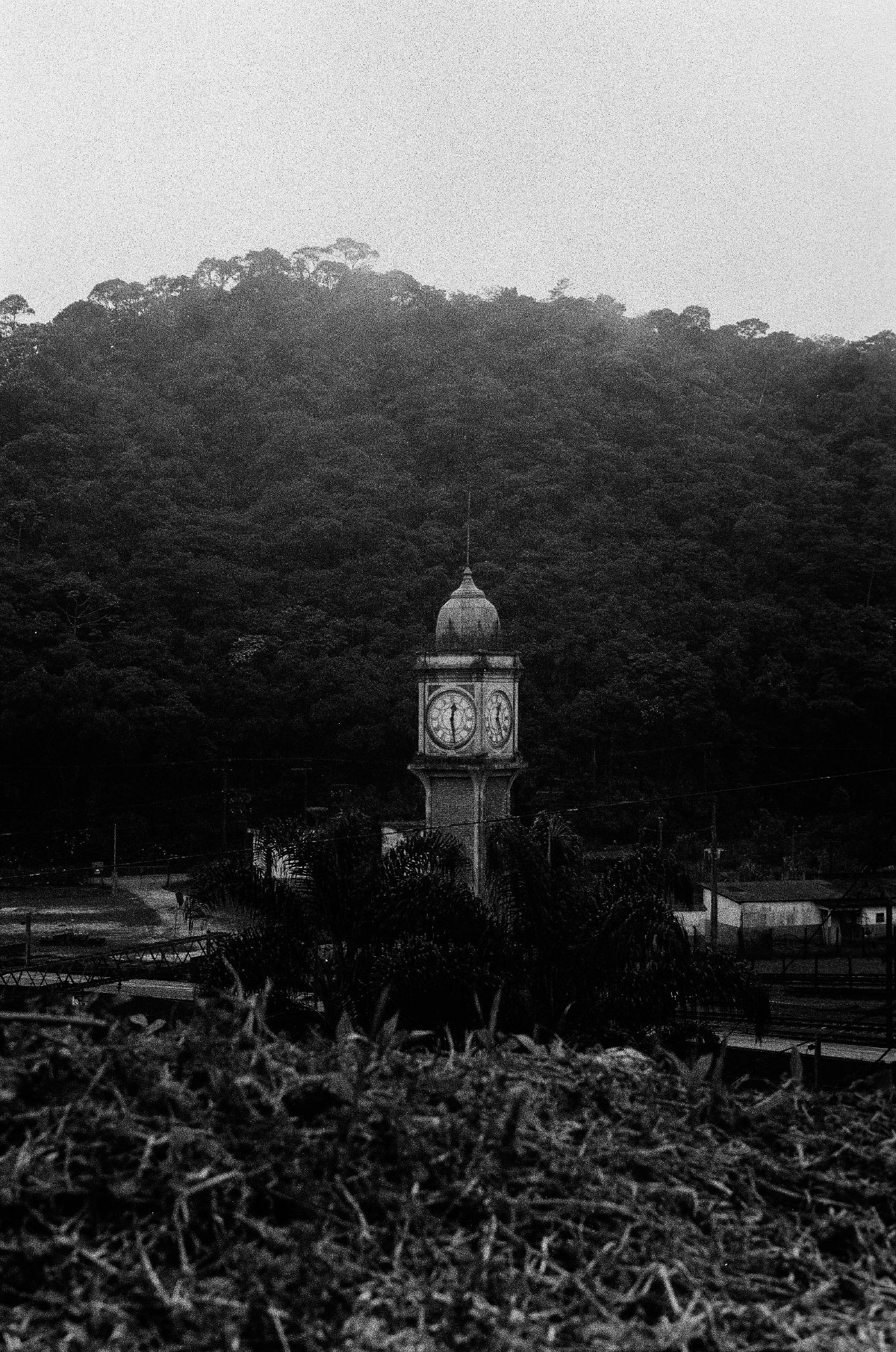
Clock Tower: the village’s postcard image
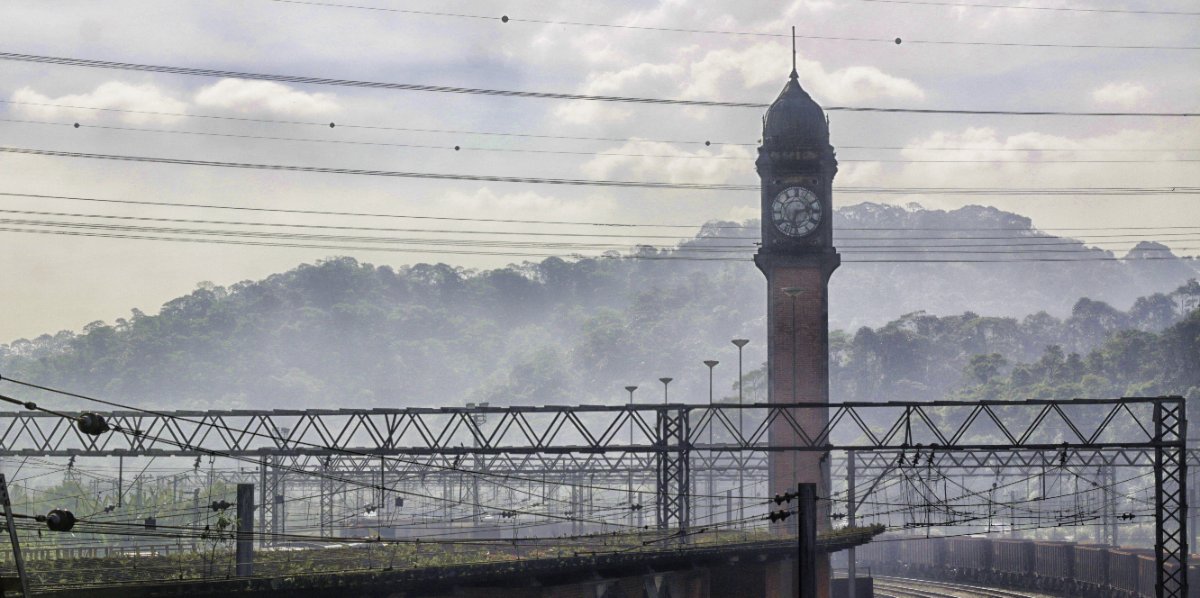
It’s the most photographed symbol in Paranapiacaba. The current tower was built in 1977, but the English Johnny Walker clock inside dates back to 1898 — it originally sat atop the wooden first station building and was moved to its current spot after a fire destroyed the original structure. Inspired by London’s Big Ben, the clock is one of the few monuments that survived that fire.
The tower is visible from several spots in the village, but the best angle is from the Mirante do Relógio lookout, in the Parte Alta (Upper Town) on Rua William Speers, or from the metal footbridge connecting the Upper and Lower parts of the village over the railway yard.
Railway Yard and Funicular Museum
The railway yard is home to the village’s main landmarks: the Clock Tower, the bridge linking the Upper and Lower parts of town, the station, and the Locobreque brake locomotive. Nearby, the old maintenance sheds and forge now house the Funicular Railway Technology Museum, run by the Brazilian Association for Railway Preservation (ABPF) — Brazil’s largest open-air railway museum.
The collection includes the old switching yard, workshops, railcars, and Brazil’s second-oldest locomotive, which once belonged to the São Paulo Railway. The space is accessible for wheelchair users and people with reduced mobility.
Castelinho Museum and Fox House
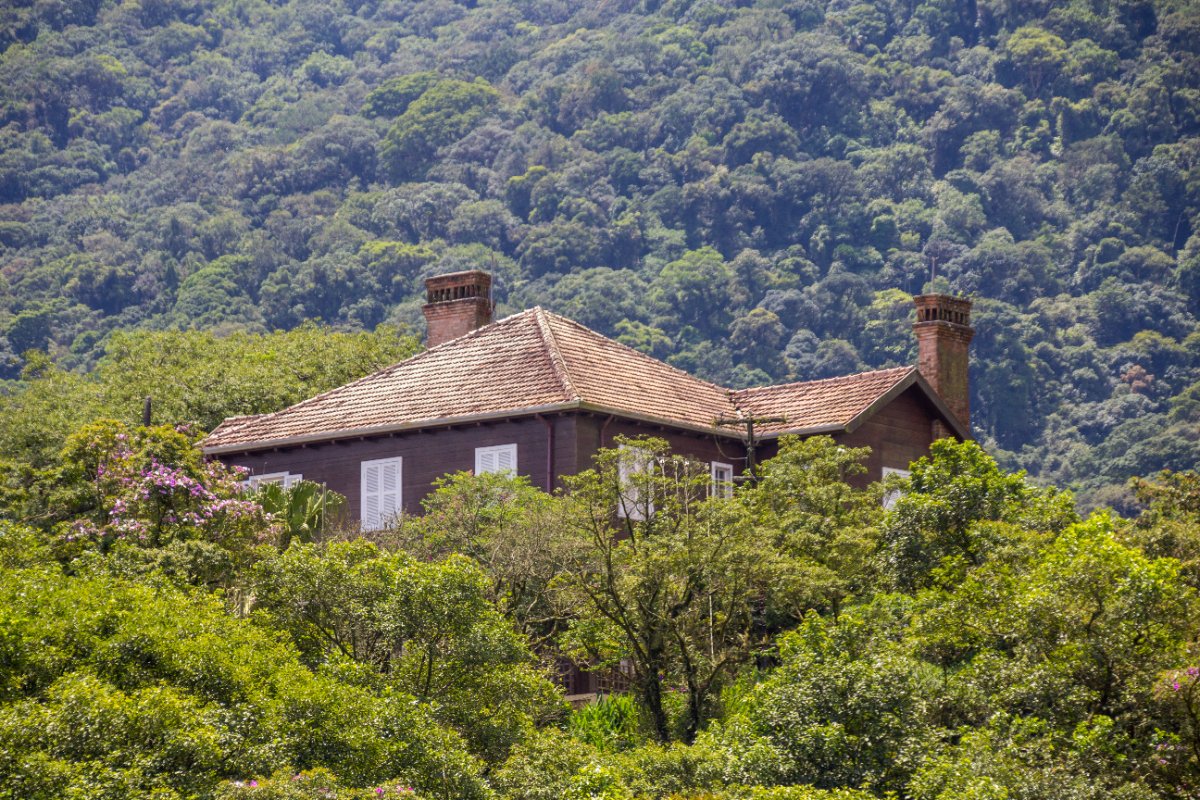
Built in 1897 as the residence of the railway’s chief engineer, the Castelinho (“Little Castle”) is the village’s largest house and sits at its highest point, from where it was once possible to oversee the workers below. Today it operates as a museum, telling the story of Paranapiacaba’s railway heyday and decline, with a beautiful panoramic view of the region.
The Fox House, also known as the Railway Family House, preserves the memory of the village’s former residents and shows what daily life was like for those who lived and worked there.
Bom Jesus Church and the Model House
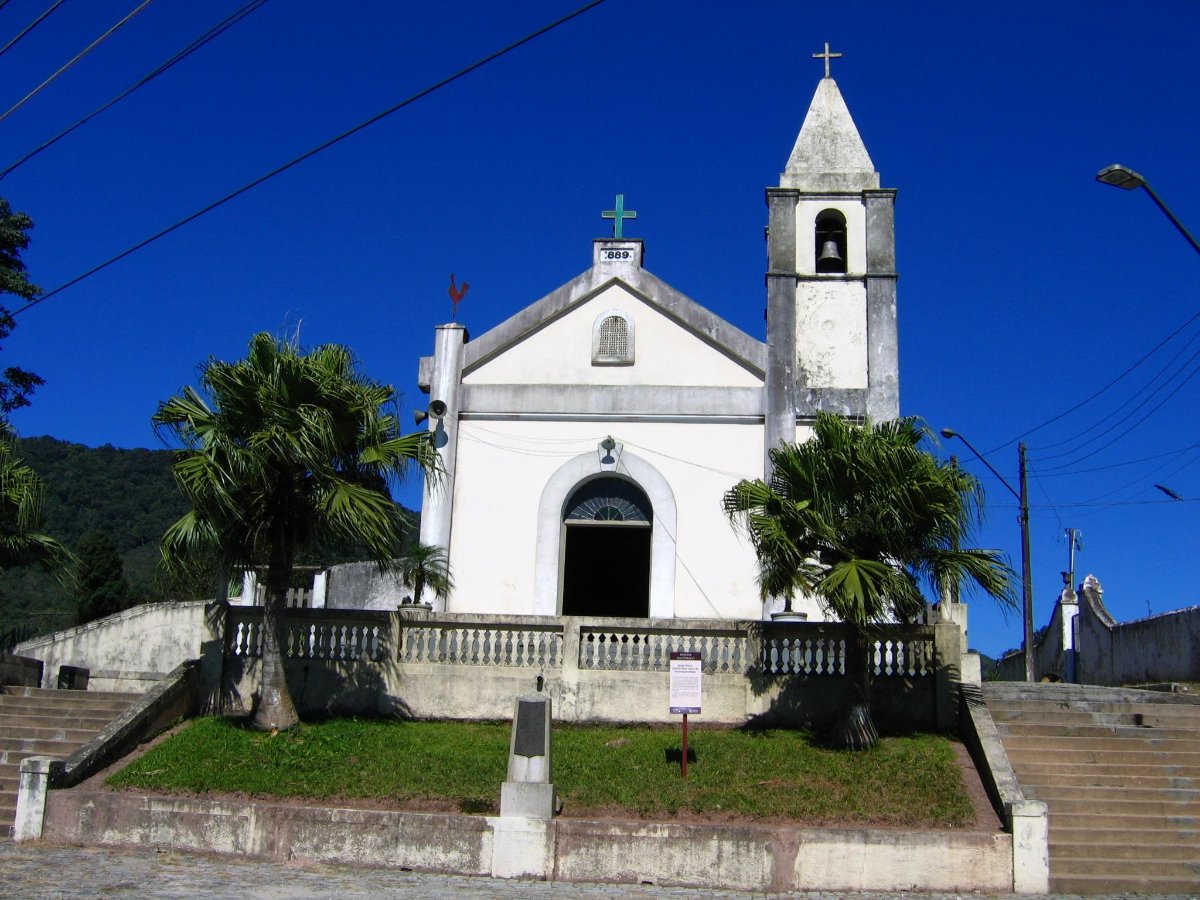
Built in 1889 to serve the railway’s Catholic workers, the Bom Jesus de Paranapiacaba Church sits almost at the village entrance and offers a lovely view over the Lower Town and the station. It hosts the Feast of the Patron Saint, one of the region’s oldest religious festivals.
For those who enjoy history in miniature, it’s worth visiting the Model House (Casa das Maquetes), which reproduces the village’s main landmarks in detail, with miniature trains running along the tracks — an outing that appeals to kids and adults alike.
Trails and nature
Paranapiacaba sits within the Nascentes de Paranapiacaba Municipal Nature Park, deep in the Atlantic Forest, and draws hikers looking for trekking routes. Access to the park is only allowed with a city-accredited guide. Among the best-known trails are the Poço Formoso trail, roughly 1.5 hours to a natural pool with crystal-clear water, and the Comunidade trail, also about 1.5 hours, leading to the ruins of an old settlement in Alto da Serra.
Traditional festivals and event calendar
Paranapiacaba runs on festivals and events pretty much year-round, almost always with free admission. The biggest is the Paranapiacaba Winter Festival, which in 2026 ran July 25–26 and August 1–2, with concerts, exhibitions, film screenings, storytelling and circus arts spread across the Library, the Cine Lyra theater, the Coreto bandstand and the village’s narrow streets. The fog that settles over the village in the late afternoon becomes part of the show.
Here’s the official 2026 events calendar:
- January: Férias na Vila, cultural and recreational programming for the whole family (3–31).
- February: Carnaval de Paranapiacaba, a traditional, family-friendly carnival with marching bands and parades (14–17).
- April: Cambuci Festival, dedicated to the fruit native to the Atlantic Forest, with food, drinks and crafts (18, 19, 21, 25 and 26).
- June: Paranapiacaba Film Festival, with screenings, showcases and workshops (19–21).
- July and August: Paranapiacaba Winter Festival, the village’s biggest event (July 25–26 and August 1–2).
- August: Feast of the Patron Saint Bom Jesus de Paranapiacaba, on the church square (8–9).
- September: Medieval Festival, with period costumes and a themed market (12–13).
- October and November: Halloween in Paranapiacaba (Oct 31–Nov 1).
- November: Novem’Beer Paranapiacaba, with craft beer, food and music (7–8).
- December: Christmas Village and the Nativity and Oratory Fair (FOPP).
Since dates vary year to year, it’s worth checking the official Santo André city tourism calendar before planning your trip.
How to get to Paranapiacaba
The most charming way to arrive is aboard CPTM’s Expresso Turístico tourist train, which departs from Estação Luz in São Paulo on weekends and follows the same historic route as the railway opened in 1867. By car, access is via Estrada do Ipiranguinha, from Santo André or Rio Grande da Serra — on busier days, vehicle access is often restricted, with parking available at the village entrance.
Suggested one-day itinerary
- Morning: Clock Tower, railway yard, Funicular Museum and Fox House, in the Lower Town.
- Mid-morning: head up to the Castelinho Museum, at the village’s highest point.
- Lunch: restaurants and traditional food stalls around the village.
- Afternoon: Bom Jesus Church, the Model House and, weather and energy permitting, a short trail through the Atlantic Forest.

























Leave a Reply
You must be logged in to post a comment.