

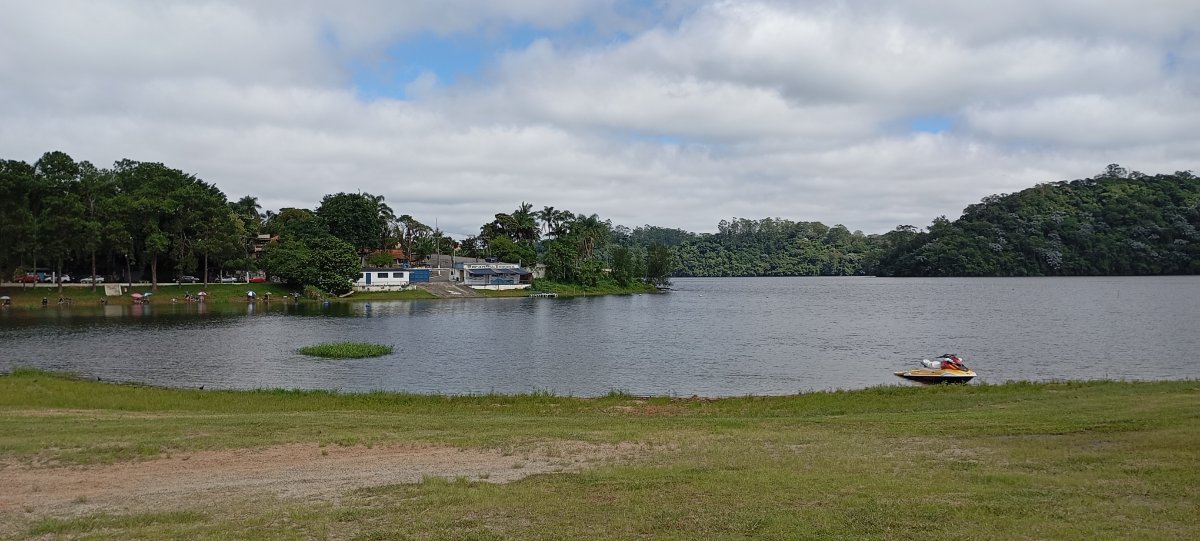
The largest reservoir in the São Paulo metropolitan area, the Billings Reservoir covers 127 km² of water surface and touches six municipalities: São Paulo, Santo André, São Bernardo do Campo, Diadema, Ribeirão Pires and Rio Grande da Serra. Besides supplying part of Greater São Paulo, its calm waters have become one of the region’s main leisure destinations — with water sports, sport fishing, waterfront clubs and floating restaurants.
This guide covers what to do at the Billings, focusing on the Ribeirão Pires and Santo André/São Bernardo stretches, and how to enjoy the reservoir safely.
A bit of history
The reservoir is named after American engineer Asa White Kenney Billings, who led the project. Construction began in 1927 under the then São Paulo Tramway, Light and Power Company, with the first phase completed between 1935 and 1937. The original goal was to generate hydroelectric power for the Henry Borden power plant in Cubatão, using the elevation drop between the São Paulo plateau and the coastal lowlands.
As Greater São Paulo’s population grew between the 1950s and 1970s, much of the reservoir began receiving domestic and industrial sewage. Today, only one arm — isolated by a dam — remains suitable for public water supply; the rest still faces restrictions, though it sees heavy recreational use on weekends.
Water sports
The Billings’ calm waters are ideal for kayaking, stand-up paddleboarding, sailing, windsurfing and motorboating — the reservoir even hosts official sailing and jet-ski championships. Nautical clubs around the reservoir offer lessons and equipment rental.
On the Ribeirão Pires side, Tahiti Náutica Clube, on Avenida Palmira, is the boarding point for the crossing to the Miroku Tower — another of the city’s attractions, and an easy way to combine both outings in one day.
Riacho Grande, in São Bernardo do Campo
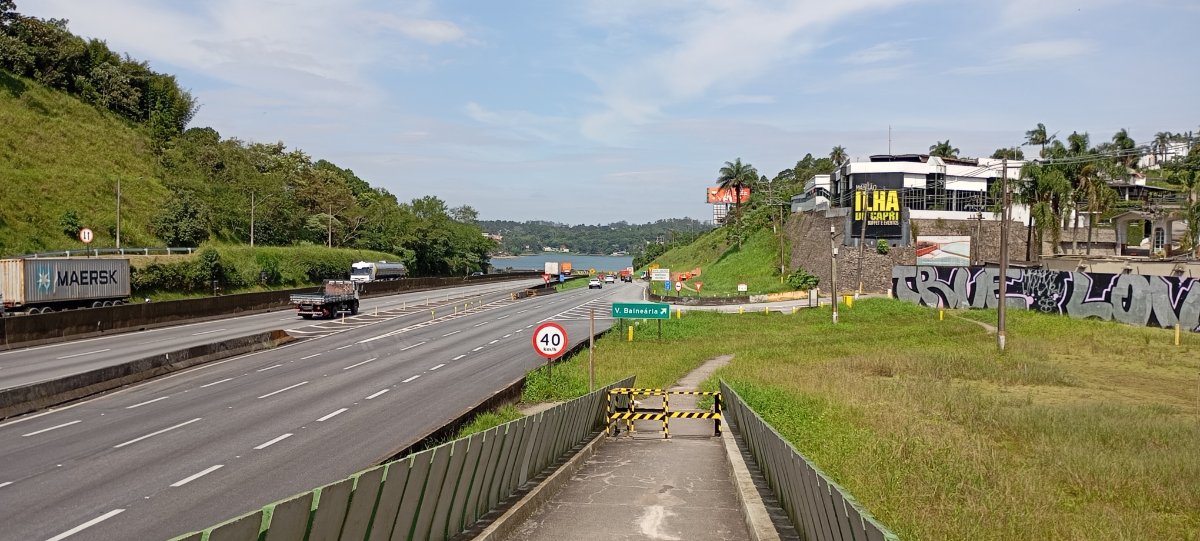
The busiest spot on the Billings in São Bernardo do Campo is Prainha do Riacho Grande, at the km 29 exit of Via Anchieta. The area has its own marina, from which boat and jet-ski tours depart, along with nautical clubs and floating restaurants right on the water — many serving fresh fish caught in the reservoir itself.
The Orlando Feliciano Fishermen’s Colony, also in São Bernardo, offers boat tours led by local fishermen who double as environmental guides — a different way to experience the reservoir from the perspective of those who live off it.
Sport fishing
Amateur fishing is allowed in designated areas of the Billings, with species like tilapia, traíra, common carp and lambari. There are structured fishing spots along the reservoir — such as Pesqueiro Takamori, on Estrada Velha de Ribeirão Pires in São Bernardo do Campo — with facilities for a full day of fishing and lunch by the water, a good option for families.
Tips before you go
- Water quality: varies by stretch of the reservoir — avoid direct contact with the water outside designated leisure areas.
- Fishing: respect authorized areas and closed seasons (piracema), when fishing is banned.
- Water sports equipment: most clubs and marinas require advance booking, especially on weekends.
- Combine your trip: the Paranapiacaba guide, also in Santo André, covers a spot just minutes from the area.



















Leave a Reply
You must be logged in to post a comment.