

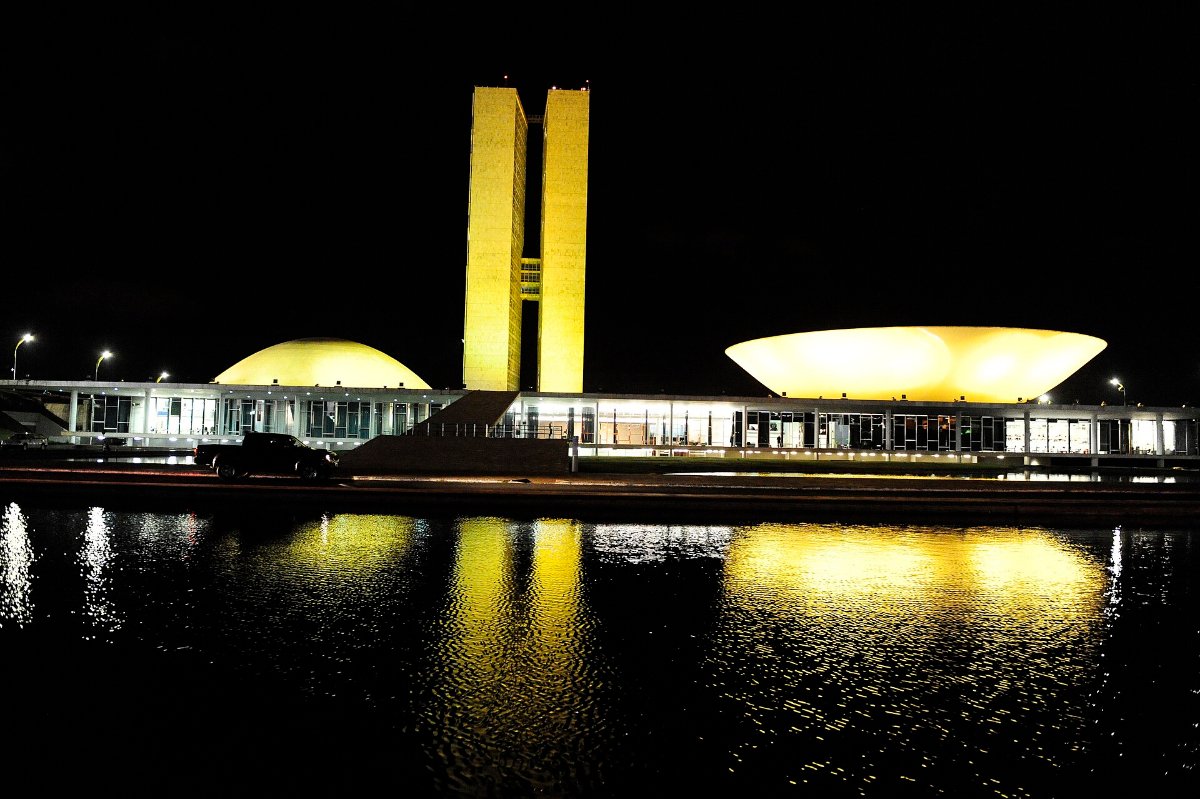
Brazil’s Senate on Wednesday (14) approved Constitutional Amendment Proposal (PEC) 221/2019, which ends the 6×1 work schedule, six days of work for one day of rest, and lowers the maximum weekly workload from 44 to 40 hours. The text passed in two rounds with the same result in both: 75 votes in favor and one against. Since the Chamber of Deputies had already approved the amendment in May, it now goes to Congress for promulgation.
What changes for workers
- Two days of rest per week: workers become entitled to two days of paid weekly rest, one of them preferably on Sundays, with no pay cut.
- A 40-hour workweek: the weekly limit falls from 44 to 40 hours, with up to eight hours of work per day.
- Flexibility through negotiation: the text allows hours to be offset and the workweek to be reduced by agreement or collective bargaining.
- Gradual change: part of the changes will be phased in progressively.
When the rules take effect
The amendment does not take effect the day after the vote. According to Agência Brasil, which detailed the transition schedule of the approved text, deadlines run from promulgation:
- 60 days: companies must ensure the 5×2 schedule and a cut in the workweek from 44 to 42 hours.
- 12 months after that first stage: the workweek falls from 42 to 40 hours, keeping the 5×2 schedule. The full transition takes 14 months.
- Companies providing services to the government: have 12 months after promulgation, rather than 60 days, to end the 6×1 schedule for their employees.
- Amended contracts: those amended more than 60 days after promulgation must already follow the new workweek.
Promulgation does not yet have a date, and the deadlines depend on it. According to the portal Leia SP, if it happens in October, the first rules would take effect in December 2026.
According to figures cited by Agência Brasil, about 22 million formal workers, equal to 54% of employees with a formal contract, and roughly 4.8 million informal workers currently work more than 40 hours a week.
How the vote went
The PEC was voted on the Senate floor under a special calendar, after five discussion sessions in the first round. A request signed by party leaders and approved by the floor waived the three discussion sessions for the second round. The debate lasted more than five hours. The only vote against, in both rounds, came from Senator Hamilton Mourão (Republicanos-RS), who did not speak during the session, according to Agência Senado.
Senate President Davi Alcolumbre opened the vote saying millions of workers were following the session with hope. Rapporteur Omar Aziz (PSD-AM) said that, with the approval, the Chamber and the Senate “enter history.” The first signatory of the proposal, Deputy Reginaldo Lopes (PT-MG), watched the session from the floor, as did Deputy Erika Hilton (PSOL-SP), author of another proposal with the same goal.
Senator Paulo Paim (PT-RS), who over his career introduced several proposals to cut the workweek to 40 hours and did not run for reelection, received tributes from colleagues. His term ends in early 2027.
The PEC had been approved by the Chamber in May and by the Senate’s Constitution and Justice Committee (CCJ) in September before reaching the floor.
What senators said
All senators who spoke, from the government and the opposition, declared support for the PEC, several with reservations or calls for future changes:
- Carlos Portinho (PL-RJ): the PL leader said the impact will be positive for workers, but argued for looking at “both sides of the table” and warned of the risk of job insecurity if jobs are lacking.
- Vanderlan Cardoso (PSD-GO): called for future changes such as flexible hours, in which workers are paid by the hour, the subject of an amendment he introduced in the CCJ.
- Marcos Pontes (PL-SP) and Magno Malta (PL-ES): argued that workers should be able to choose to work more days if they wish.
- Alan Rick (Republicanos-AC), Nelsinho Trad (PSD-MS) and Jayme Campos (União-MT): asked for a responsible transition. Trad noted the possible rise in costs for city governments.
- Roberta Acioly (Republicanos-RR): argued for government compensation measures for employers.
- Eliziane Gama (PSD-MA): criticized the argument that the change could break the country and noted that paid vacation, the 13th-month salary and maternity leave were fought with the same rhetoric.
- Senators Zenaide Maia (PSD-RN), Leany Lemos (PSB-DF), Jussara Lima (PSD-PI) and Dra. Eudócia (PSDB-AL): highlighted the impact on women, who face a double workday.
Withdrawn amendment and points to regulate
Senator Oriovisto Guimarães (PSDB-PR) introduced, with the signatures of 27 more senators, an amendment to make clear the PEC will not affect workweeks already below 40 hours and that, where needed, hours would be redistributed under the five-day rule. The amendment was presented as a drafting change, which would have avoided sending the text back to the Chamber, but the rapporteur considered that it would alter the substance and recommended rejecting it. Oriovisto withdrew the request for a vote.
The rapporteur said he agreed that some points, such as the workloads of specific sectors, will need to be regulated by Congress as quickly as possible.
The dispute that continues
The government leader in the Senate, Teresa Leitão (PT-PE), said vigilance will still be needed, because other proposals with less favorable rules for workers are moving through Congress. The government leader in Congress, Randolfe Rodrigues (PT-AP), cited PEC 12/2026, introduced by opposition leader Rogerio Marinho (PL-RN), which provides for a flexible regime in which employees would be paid according to the hours worked. Randolfe called it “the opposite of ending 6×1.”
The vote took place 11 days before the presidential runoff, scheduled for October 25.
Information from Agência Senado and Agência Brasil. This article will be updated when the constitutional amendment is promulgated.


























Leave a Reply
You must be logged in to post a comment.