

Singer, songwriter and pianist Benito di Paula died on the night of Sunday (18), aged 84, at Hospital 9 de Julho in São Paulo, from complications of prostate cancer he had been treating for about a year. His death was confirmed by the artist’s press office. He was just over a month shy of turning 85, on November 28.
What is confirmed
- The death: on the night of Sunday (18), at Hospital 9 de Julho in São Paulo, confirmed by his press office, according to Band, Metrópoles, Terra, CGN and TNH1.
- The cause: complications of cancer. Brasil de Fato (citing g1), CGN and TNH1 specify it was prostate cancer; Band, Metrópoles and Terra mention only cancer. All report he had been treated for the disease for about a year.
- Age and origin: 84, born on November 28, 1941, in Nova Friburgo (RJ).
- Birth name: Uday Vellozo, the spelling used by most outlets. Revista Oeste and the Nova Friburgo em Foco portal write “Velloso.”
Wake and burial
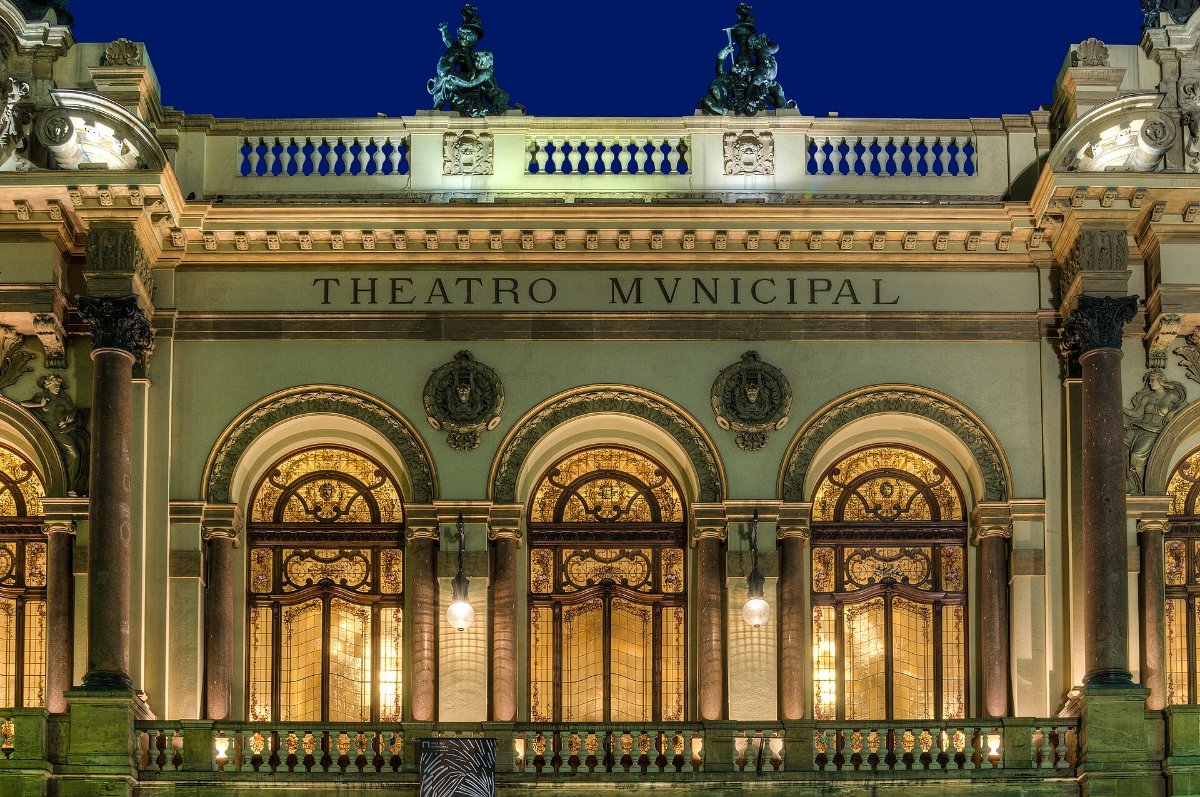
The wake will be open to the public on Tuesday (20), from 9 a.m. to 3 p.m., at the Theatro Municipal de São Paulo, on Praça Ramos de Azevedo in the city center. Burial is set for 5 p.m. at Morumby Cemetery, in a ceremony restricted to family, according to CNN Brasil, Metrópoles and Mais Novela.
Who Benito di Paula was
Uday Vellozo was born in Nova Friburgo, in the mountain region of Rio de Janeiro state, and grew up in Rio. Before fame, he worked as a nightclub crooner, playing at clubs and dances, and settled in Santos (SP), where he formed his first group, according to Brasil de Fato. According to Wikipedia, his stage name was chosen by him and promoter Alfredo Motta, who invited him at 15 or 16 to sing at the Avenida Hotel in Nova Friburgo: first “Benito,” then “di Paula,” to “Italianize” his name.
The piano and the “samba-joia”
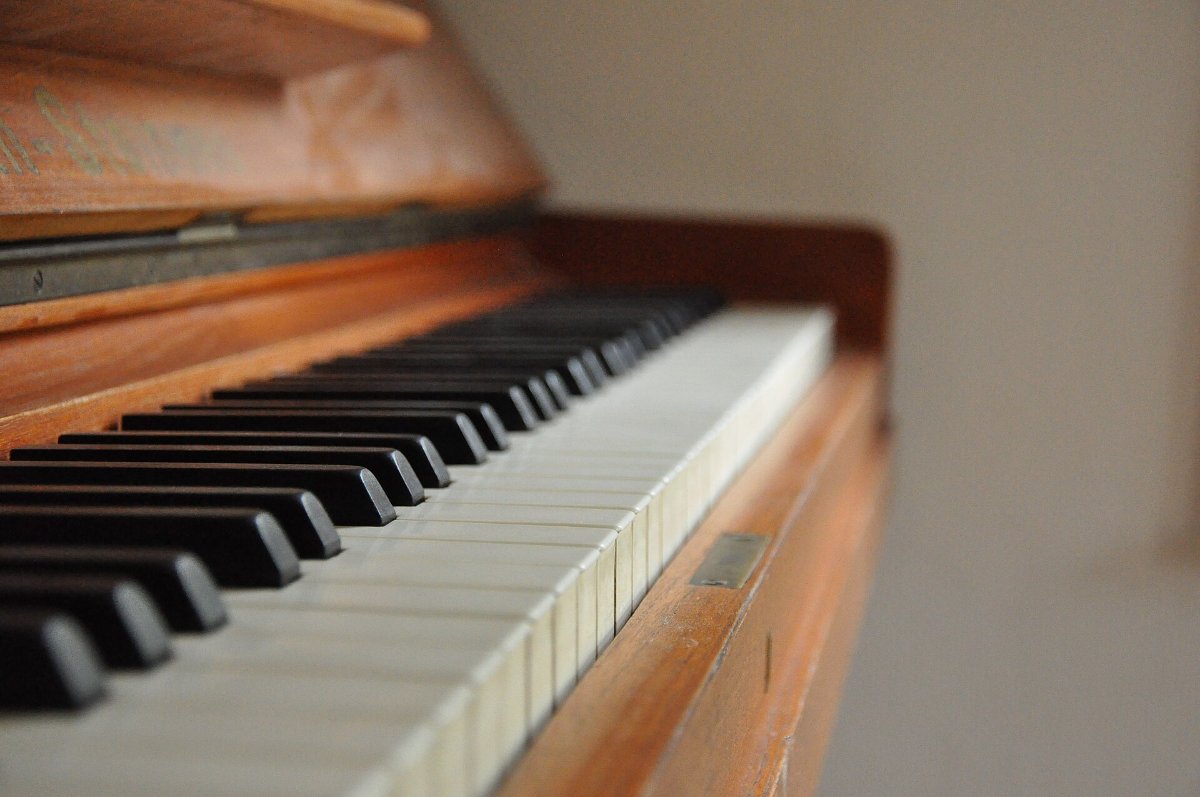
Benito’s trademark was at the keys. With no formal musical training, he played the piano as a percussion instrument. He never presented himself as heir to the lineage of contemporaries such as Martinho da Vila and Paulinho da Viola and preferred to call himself a “sambeiro” (samba man) and “pianeiro” (piano man). His main declared influence was Ataulfo Alves.
The style, which became known as “samba-joia” (“jewel samba”) and blended traditional samba, piano and romantic arrangements, is seen as a precursor of the romantic pagode that would dominate radio in the 1990s, with groups such as Raça Negra. His look also stuck in the country’s memory: long hair, rings, necklaces and bow ties on TV stages.
The big hits
Benito released his first album in 1971, but the breakthrough came in 1973 with the samba-canção “Retalhos de Cetim” (“Satin Scraps”). From then on he scored a string of hits, mainly through 1977, including “Charlie Brown” (1974), “Do Jeito que a Vida Quer” (1976) and “Assobiar e Chupar Cana” (1977). Songs such as “Mulher Brasileira,” “Se Não For Amor” and “Vai Ficar na Saudade” also marked his career. His last major hit was “Amigo do Sol, Amigo da Lua” (1984), the theme of the TV Globo soap opera “A Gata Comeu” in 1985. According to Wikipedia, he also sold records abroad and recorded in languages including Spanish, French and Italian.
His final years
Distanced from the major labels from the 1990s on, Benito released few albums of new songs in the following decades, the last in 2021, when he turned 80, according to Brasil de Fato. In recent years, his work went through a reappraisal. With his son, Rodrigo Vellozo, he revisited his repertoire in “Benito 80: Novo Samba Sempre Novo,” with guest appearances by Teresa Cristina, Xande de Pilares and Zeca Baleiro.
In 2025, he was honored as the theme of the Águia de Ouro samba school at São Paulo’s Carnival and paraded on one of the school’s floats. Rodrigo also conceived the show “Benito 85,” honoring his father’s 85th birthday, which would have been in November.
His importance to Brazilian music
For Band, Benito was an icon of MPB (Brazilian popular music) who helped broaden the possibilities of bringing samba closer to other genres, and his work reached several generations. Flamengo, the artist’s favorite club, mourned his death and said he “revolutionized samba by uniting it with the piano.” Rodrigo Vellozo said goodbye to his father on social media.
Information from Band, Metrópoles, Terra, Brasil de Fato (based on g1), CGN, TNH1, Itatiaia, CNN Brasil (via Sim Notícias), Mais Novela, Revista Oeste, Nova Friburgo em Foco and Wikipedia.

























Leave a Reply
You must be logged in to post a comment.