



The 2026 election polls released this Monday, September 21, bring new numbers for president and for the governor of São Paulo. BTG/Nexus shows a statistical tie between Lula and Flávio Bolsonaro. Real Time Big Data, meanwhile, shows Tarcísio de Freitas ahead of Fernando Haddad in São Paulo.
This overview brings together these two rounds, with first-round charts and photos of the highest-polling names. Each race has its own sample. The percentages therefore do not form a cross-institute average, nor do they anticipate the outcome at the ballot box.
2026 election polls: president
In the 15th BTG Pactual/Nexus round, Lula registers 40%, Flávio Bolsonaro has 37% and Augusto Cury appears with 6% — the three highest percentages in the stimulated scenario. However, this numerical order does not mean all positions are statistically separated: Cury, for example, is close to Ronaldo Caiado, who has 5%.
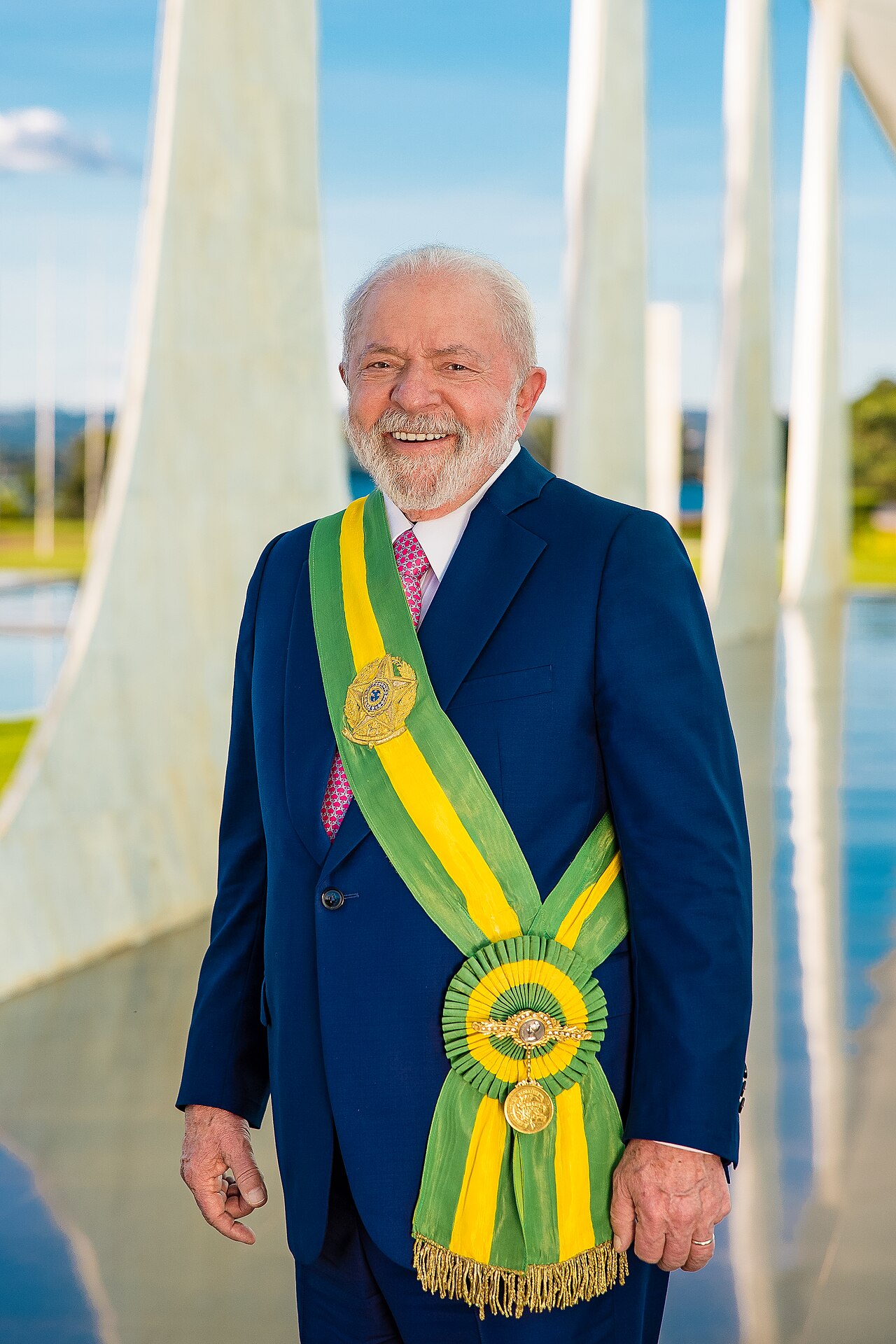

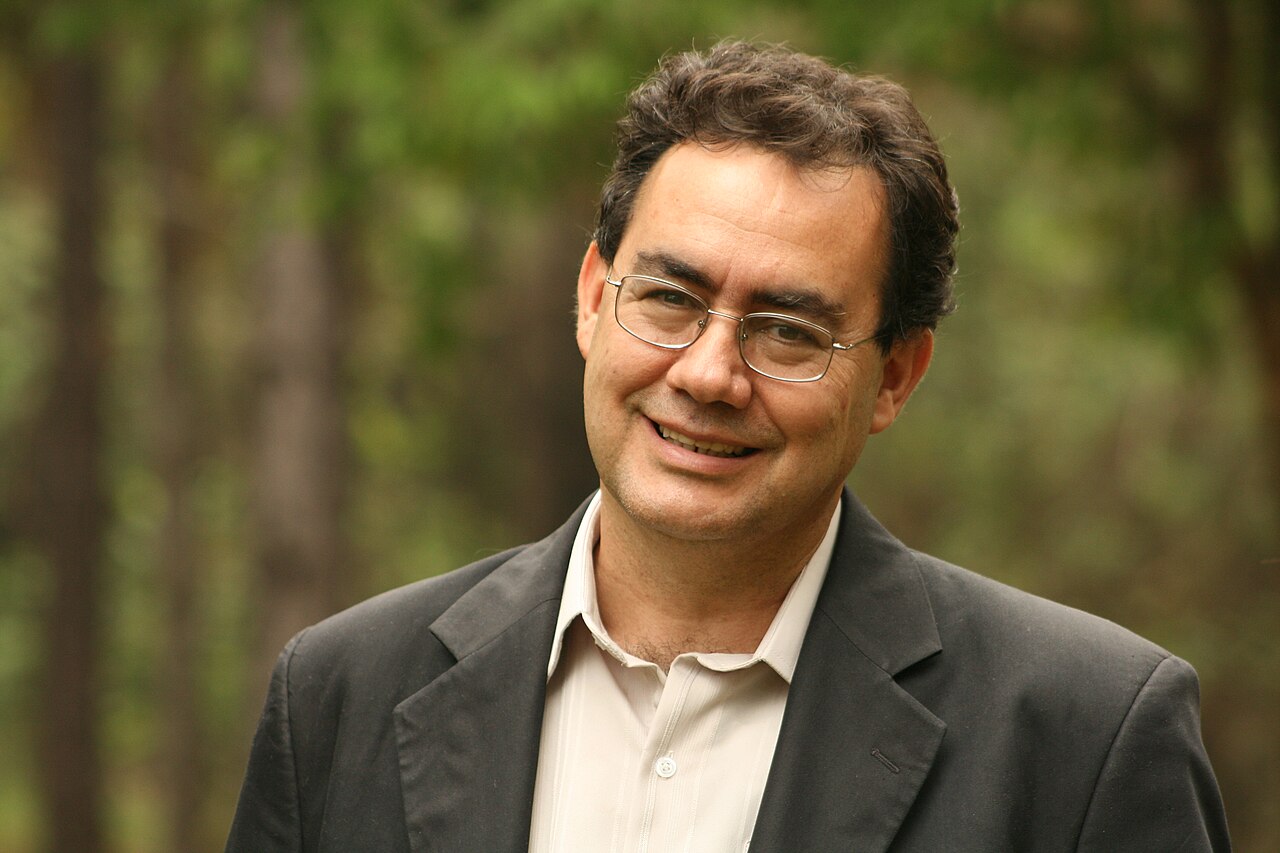
First-round stimulated scenario 1; percentages over the total sample. Fieldwork: September 18–20, 2026. Margin: ±2 percentage points; confidence: 95%. Source: Nexus, 15th round report.
Clariana Barão, Edmilson Costa, Hertz Dias, Rui Costa Pimenta and Veterinário Wilson Grassi register 0% after rounding. This does not necessarily mean zero mentions. The published percentages also add up to 99%, an effect of the rounding reported by the pollster.
In the runoff simulation between the frontrunners, the score is Lula 46% to Flávio Bolsonaro’s 45% — the gap remains a statistical tie. The Datafolha poll released on September 17 also showed a close race: 39% to 36% in the first round and 46% to 44% in the runoff. These are separate surveys, not a single series.
São Paulo governorship: Tarcísio and Haddad
For governor, the Real Time Big Data poll released on September 21 shows Tarcísio with 53% and Haddad with 38%. The photos below show the two candidates with the highest percentages in this survey. The chart keeps blank, null and undecided votes visible, to make the comparison base clear.
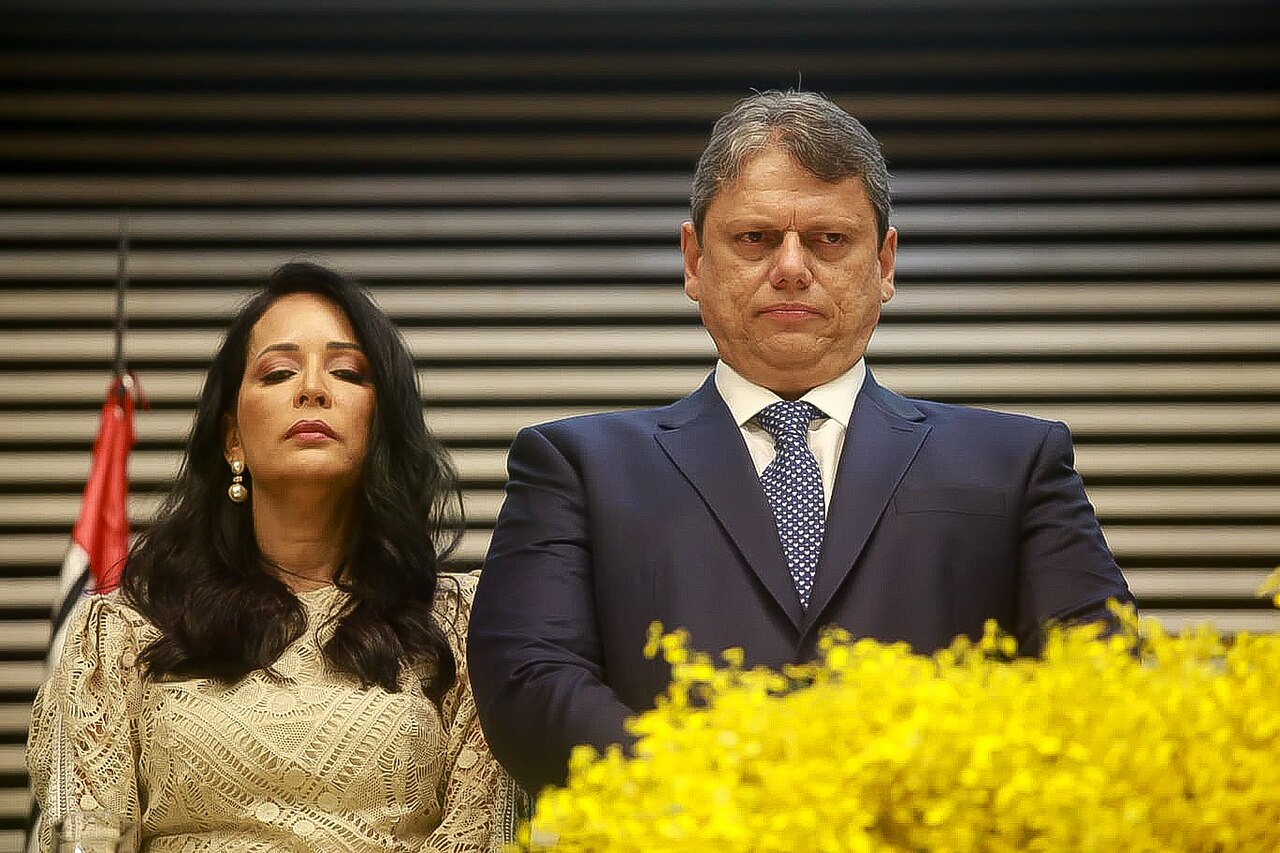

First-round stimulated scenario; total votes. Fieldwork: September 16–19, 2026. Margin: ±2 percentage points; confidence: 95%. Source: Real Time Big Data report, SP-07495/2026.
The “other candidates” group includes Carlos Machado, Izadora Dias, Policial Edjane, Vera Lúcia and Vivian Mendes. In a potential runoff, Tarcísio scores 57% to Haddad’s 39%. While the survey points to a possible first-round win, it does not confirm the election is already decided.
Survey factsheet
BTG/Nexus: 2,006 voters aged 16 or older, nationwide; phone interviews between September 18 and 20. Released September 21, margin of ±2 percentage points and 95% confidence. Commissioned by: BTG Pactual. TSE registration: BR-00485/2026.
Real Time Big Data: 2,000 voters in the state of São Paulo; fieldwork between September 16 and 19. Released September 21, margin of ±2 percentage points and 95% confidence. Self-funded by the pollster, according to the published survey. TSE registration: SP-07495/2026.
How to read the 2026 election polls
In a stimulated survey, the interviewer reads out the names before the respondent answers. In a spontaneous one, the voter answers without that list. For this reason, results obtained with different question types should not be compared directly.
Likewise, total votes and valid votes use different bases. The charts in this piece show total votes — they do not exclude blank, null and undecided responses to recalculate each candidate’s share.
Finally, always check the collection period and methodology. Small changes can simply be sampling noise. To follow the campaign, see also the Portuguese edition of this report on OnTheNet and the original reports linked above.
Figures updated on September 21, 2026. Photographs from the OnTheNet archive; they do not depict events that took place on the date of the surveys.



















Leave a Reply
You must be logged in to post a comment.