
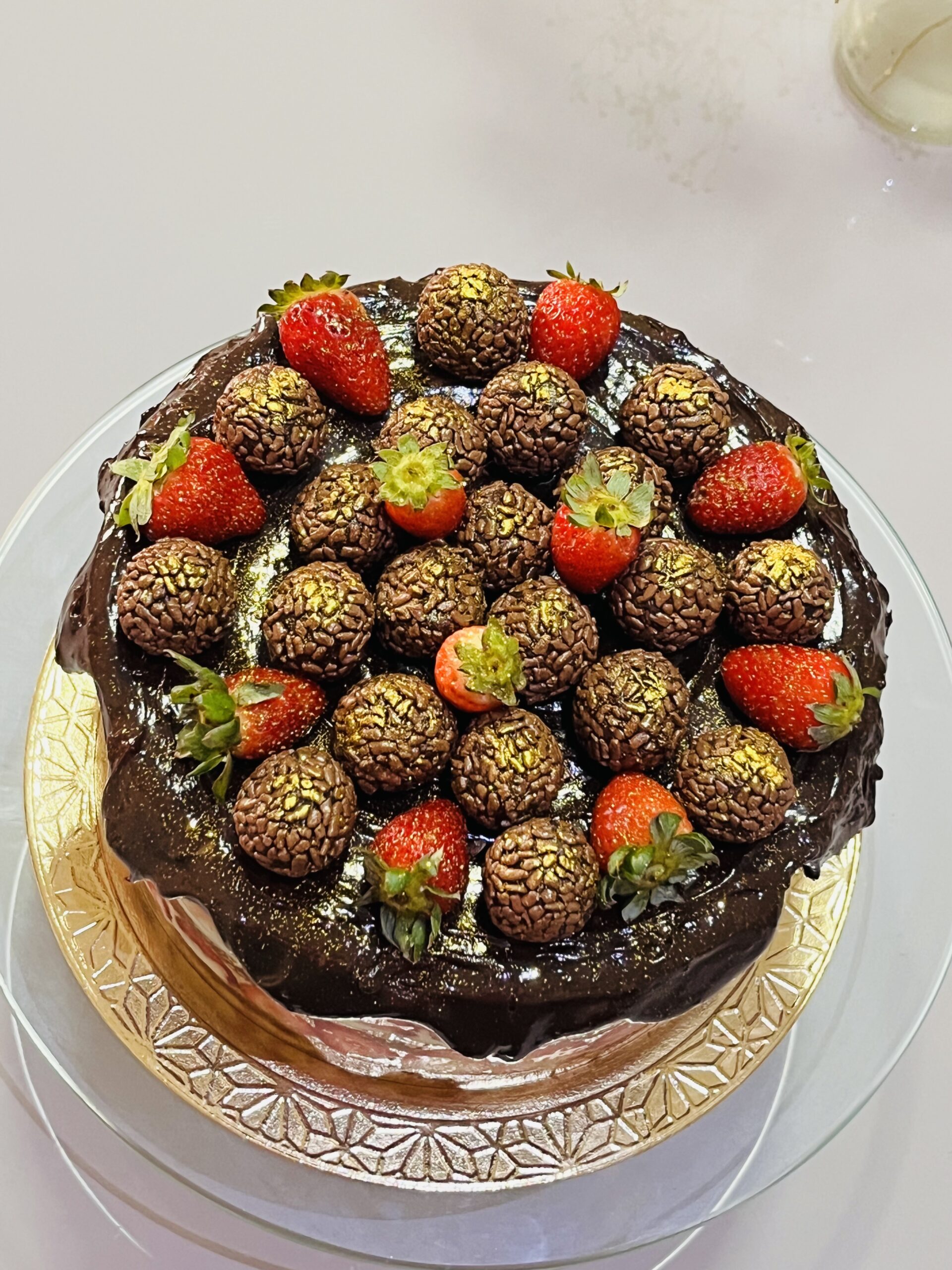



Few sweets are as Brazilian as the brigadeiro. Originally from São Paulo, the recipe emerged during the first presidential campaign of Brigadier Eduardo Gomes, a military officer running for the National Democratic Union (UDN) in 1945. Women who supported the candidate, residents of the Pacaembu neighborhood in São Paulo, created the treat to sell and raise funds for the election campaign.
The sweet’s name is a direct tribute to the candidate’s military rank: “brigadeiro.” The recipe became so popular that it kept the name of Eduardo Gomes’ military post, even after he lost the election to Eurico Gaspar Dutra. Although defeated at the polls, the brigadeiro went on to become a true icon of Brazilian confectionery.
History of the brigadeiro spans eighty years of tradition
The classic recipe is simple: condensed milk, cocoa powder, butter, and chocolate sprinkles for the coating. It is no coincidence that the treat was born in São Paulo — the city was home, at the time, to the only two condensed milk factories in Brazil, both owned by Nestlé, plus the famous chocolate factory known as “Chocolate do Padre.” For this reason, the combination of available ingredients permanently shaped the most famous recipe at Brazilian parties.
Traditional preparation method for the homemade recipe
Preparation method: In a pan, mix one can of condensed milk, three tablespoons of cocoa powder, and one tablespoon of butter. Cook over low heat, stirring constantly, until the mixture pulls away from the bottom of the pan. Then, let it cool, grease your hands with butter, roll into small balls, and coat them in chocolate sprinkles.
Today, the brigadeiro is a must-have at birthday parties across Brazil, alongside other classics like beijinho and cajuzinho. Interestingly, in Rio Grande do Sul, political opposition to Eduardo Gomes led locals to rename the treat “negrinho,” an alternative considered more politically acceptable in the region at the time. Thus, each region of the country keeps its own version of the story behind this dessert. For more on Brazilian cuisine, see more Cuisine posts.
























Leave a Reply
You must be logged in to post a comment.