
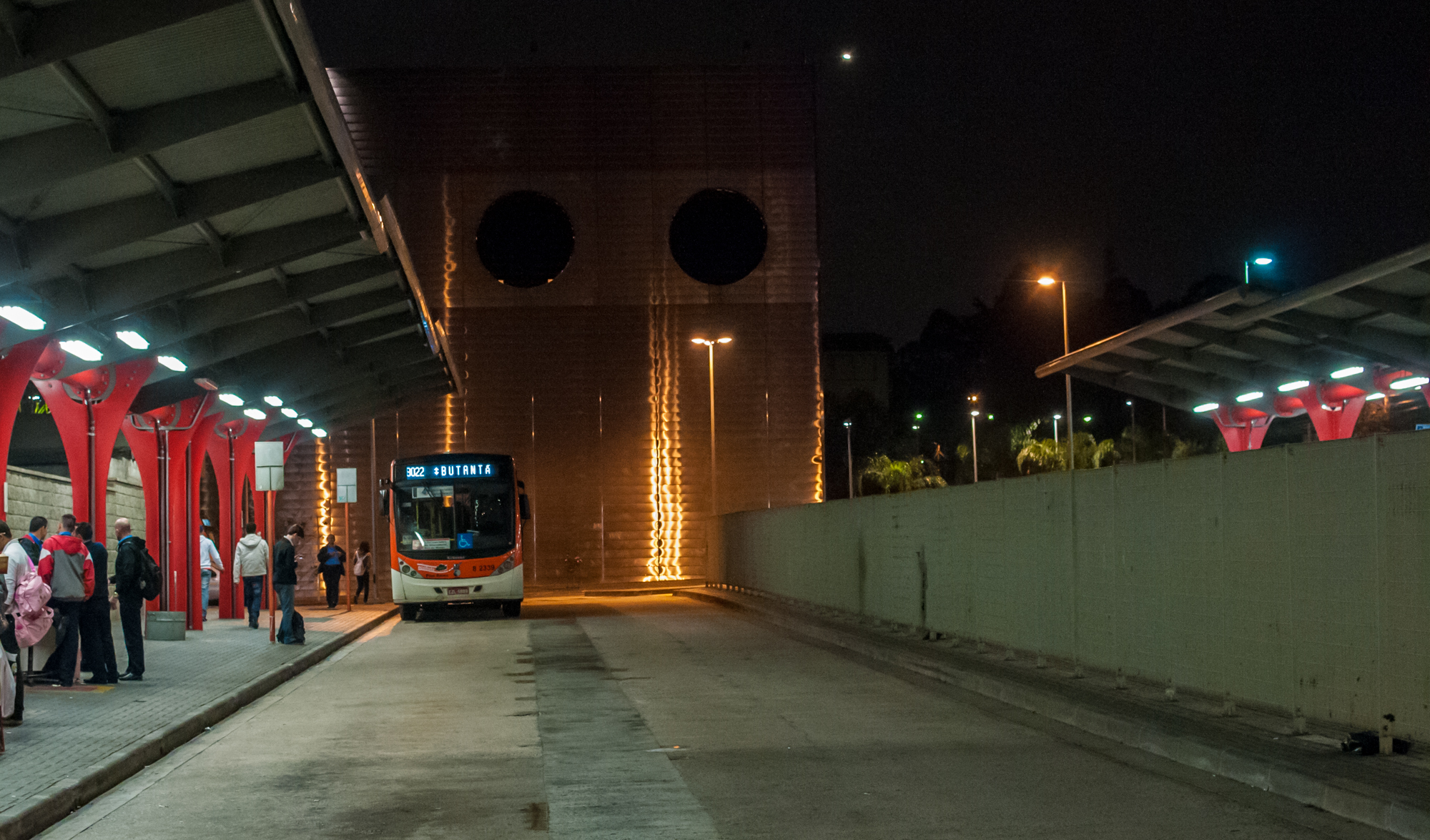



The BNDES urban mobility plan brings together 187 projects to expand medium- and high-capacity public transport in Brazil. The development bank prepared the study with the Ministry of Cities. It covers metros, trains, light rail, bus rapid transit (BRT) and bus corridors.
According to Via Trolebus’s report on the September presentation, estimated investment reaches R$437 billion. However, this is a long-term proposal. The figure does not mean that every project has secured funding.
What the BNDES urban mobility plan covers
The study spans 21 metropolitan regions and combines expansion with upgrades to existing networks. The official Mobilidade Brasil portal lists more than 2,400 km of expansion. Therefore, the full portfolio should not be described as new train and metro lines alone.
At the presentation, BNDES outlined peak investment of around R$20 billion a year. It also estimated that public sources would need to fund roughly 80% of investment. Additional revenue and private participation would complement those funds.
Funding and expected benefits
The proposal aims to reduce travel time, accidents and emissions. Nevertheless, delivery depends on funding, studies and decisions by the governments involved. Passenger fares alone cannot finance the entire expansion.
The discussion also includes metropolitan funds and a National Urban Mobility Fund. These tools could make federal participation more consistent. Meanwhile, integrated networks and fares aim to make journeys between municipalities easier.
Editorial note: this translation incorporates the correction to the Portuguese article, clarifying that the portfolio includes buses and upgrades to existing networks as well as rail transport.






















Leave a Reply
You must be logged in to post a comment.