
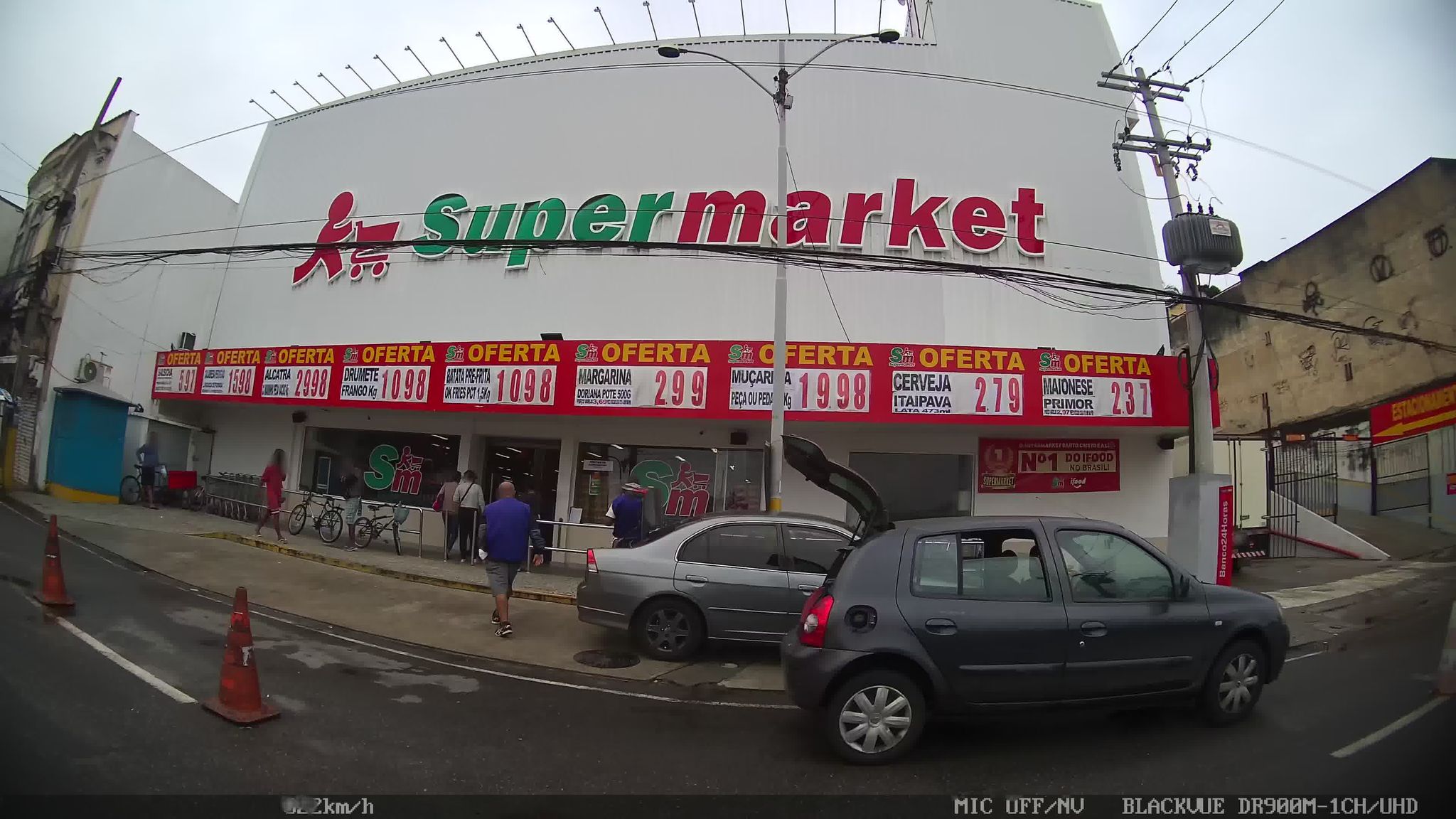



Brazil’s National Broad Consumer Price Index (IPCA) posted deflation of 0.32% in August 2026, a sharper drop than the market had expected, which had projected a 0.29% decline. With the result, released by IBGE on September 11, the 12-month accumulated inflation rate fell to 4.22%, also below the 4.27% forecast.
Housing Costs Drive the IPCA Deflation in August
The largest contribution to the deflation came from the Housing group, which fell 1.87% — the smallest variation for an August since the Plano Real, in 1994. This result was driven by a 7.63% drop in residential electricity prices, an effect of the Itaipu Binacional bonus applied to power bills. Analysts note that housing costs have been the single largest swing factor in Brazil’s inflation readings so far in 2026.
Transportation and Food Prices Also Decline
The Transportation group also posted a sharp decline of 0.86%, led by a 13.17% drop in airfares and a 0.91% decrease in fuel prices. Meanwhile, Food and beverages fell 0.34%, with steep drops in vegetables. For instance, potatoes fell 19.89%, carrots 11.22% and onions 11.07%. In addition, the Communication group posted a slight decline of 0.09%.
On the other hand, Personal expenses was the group that rose the most, up 1.30%, driven by a 19.59% increase in cigarette prices. The Clothing group also rose, by 0.12%. Among the cities surveyed, Curitiba had the smallest variation, at -0.64%.
Thus, the result reinforces the inflation relief trend seen in recent months, in line with the IPCA-15 preview, which had already pointed to a 0.40% drop in August — the biggest downside surprise of the period. Therefore, the data consolidates a more favorable outlook for Brazilian households’ purchasing power in the coming months. Full survey details are available on the website of IBGE. To follow more economic indicators, check OnTheNet’s Economy section.

















Leave a Reply
You must be logged in to post a comment.